
Winches
Winches
Choose a Configuration
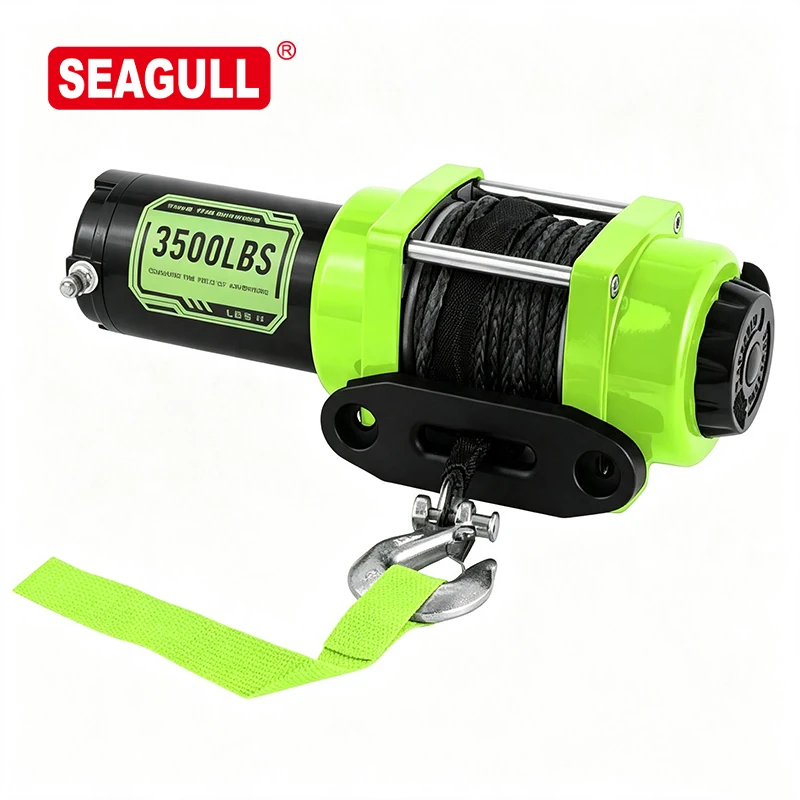
A hand crank, an industrial motor, and a vehicle electrical system call for different winch configurations. SEAGULL offers JC hand winches, AMW industrial electric winches, and six truck-winch families.




Choose the Drive and Installation
| Winch type | Starting point for selection | Product range |
|---|---|---|
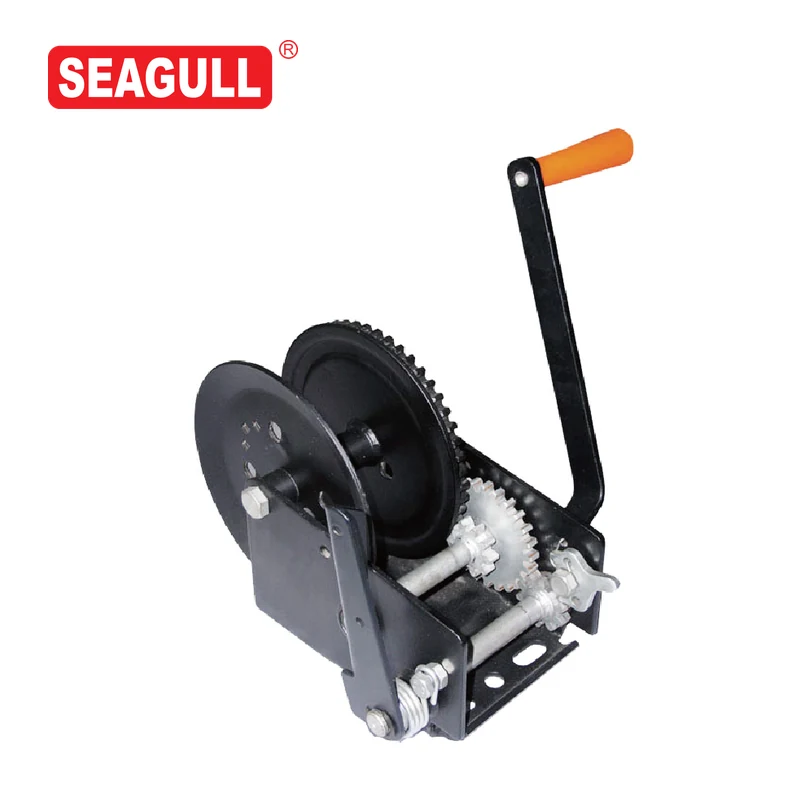
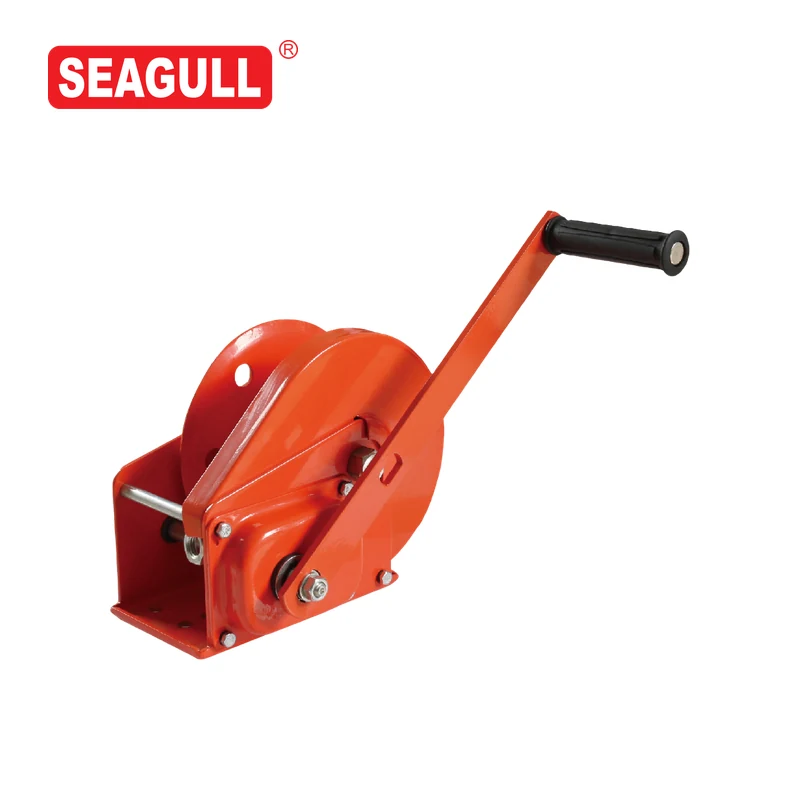
| Hand winches | Manual input, crank clearance, gearing, and rope arrangement | Compare JC-B, JC-C, and JC-E |
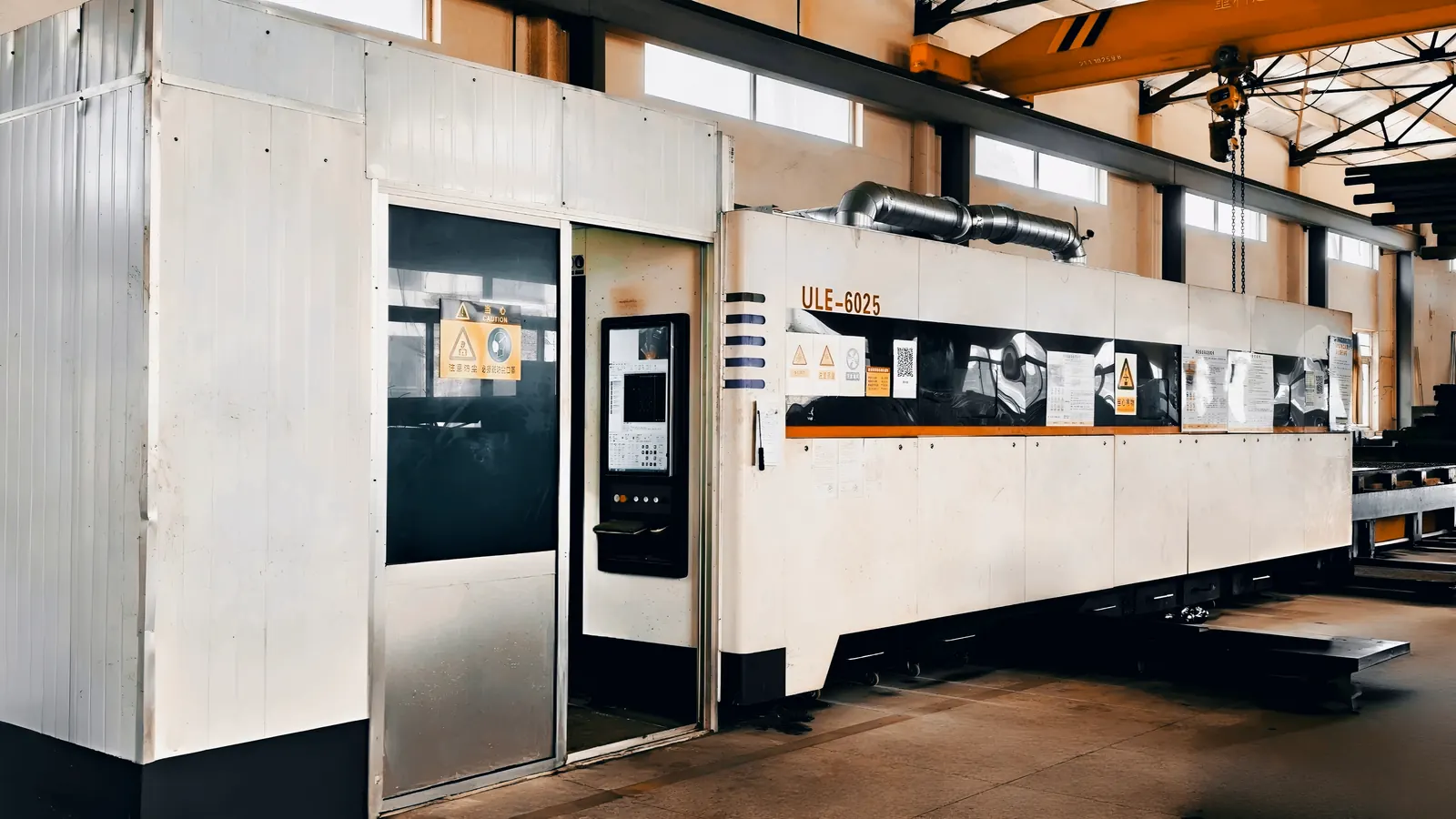
| Industrial electric winches | Fixed mounting, supply voltage and frequency, drum size, and working travel | Review AMW industrial winches |
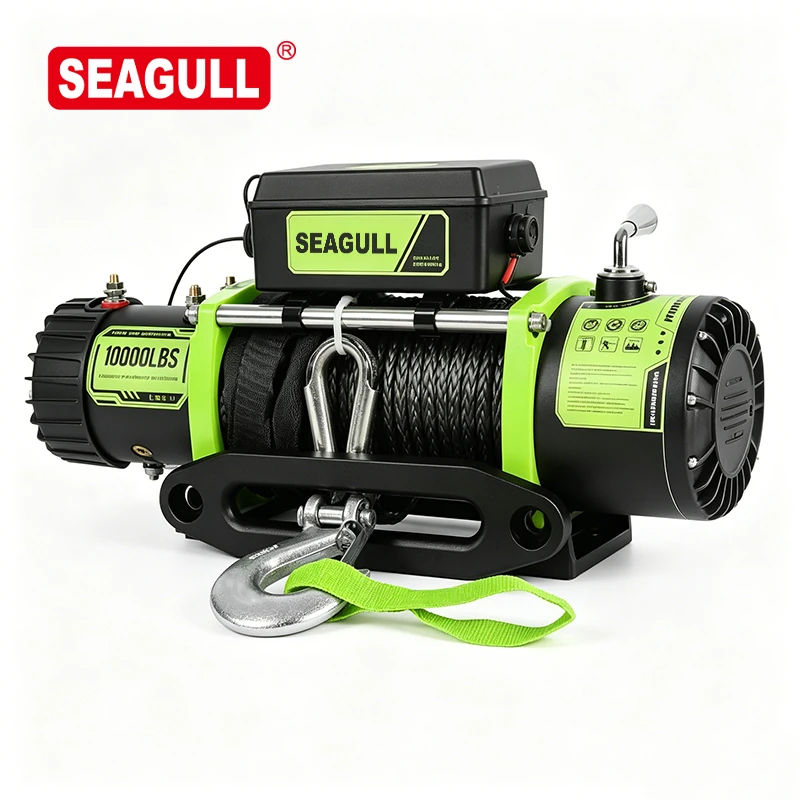
| Truck winches | Vehicle mounting, line pull, battery supply, brake, and clutch | Compare truck winches |
Define the Load Movement
Describe whether the winch will pull a load along a surface, lift it vertically, or position equipment. Include load weight, travel, direction, and operating frequency. The proposed duty must match the selected model and its approved configuration.
Truck-winch figures describe line pull at specified rope layers. They do not establish a suspended-load rating. For an industrial installation, include the complete rope path and any guide sheaves with the mounting drawing.
Match the Rope to the Drum
Rope diameter, length, and the amount wound on the drum affect the configuration. Supply the working travel separately from total rope length. JC hand winches and AMW drum variants have different size and gearing data; truck models also list layer-dependent pulling figures.
Send the Installation Requirements
Include the intended task, required pull or lift, rope travel, mounting space, and quantity. For an electric winch, add the available electrical supply and control requirements.