
Lifting jacks
Lifting Jacks
Choose a Configuration
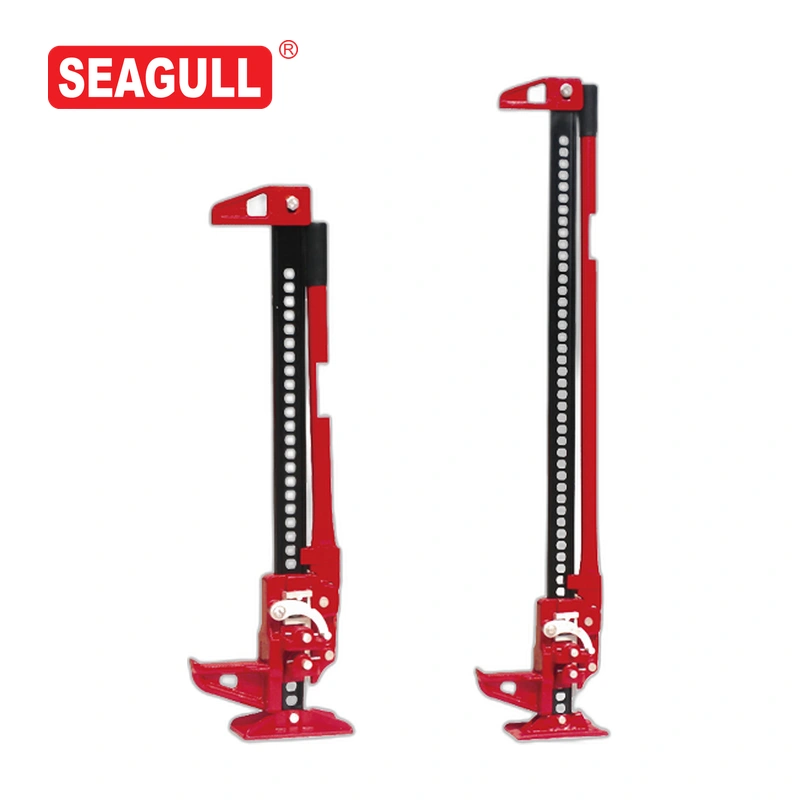
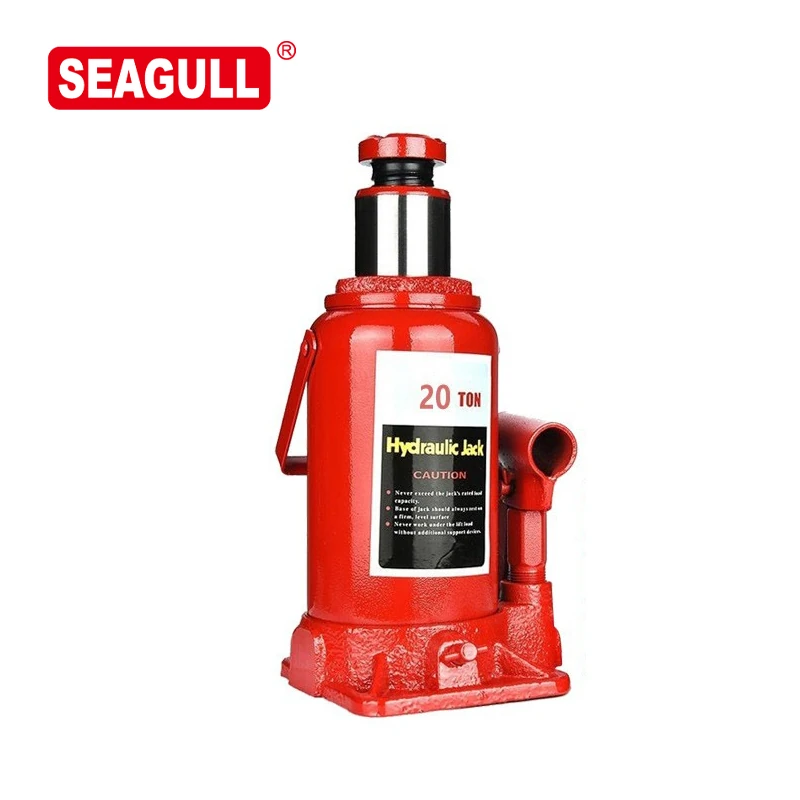
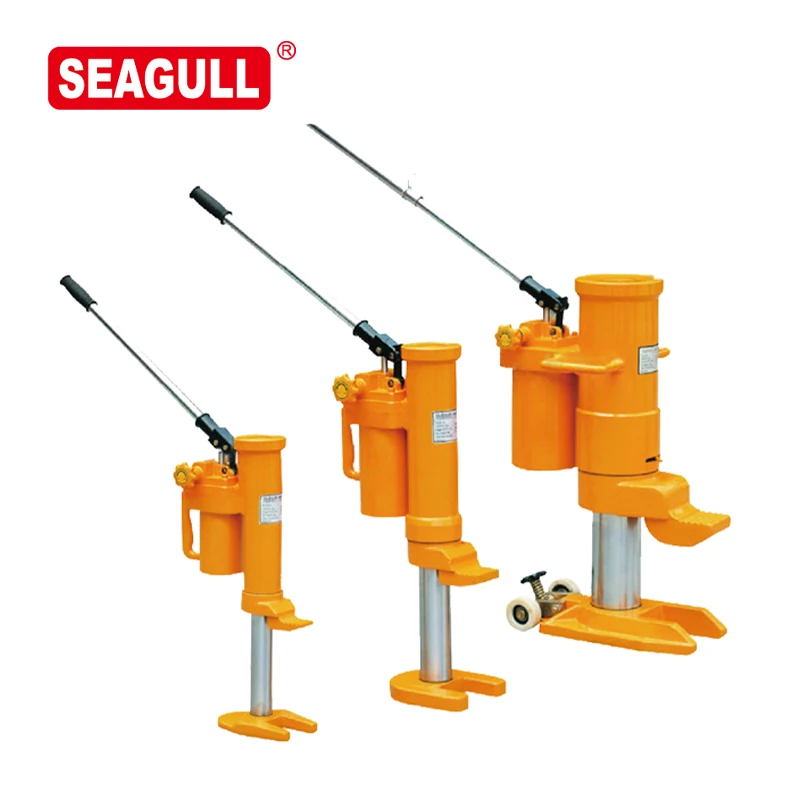
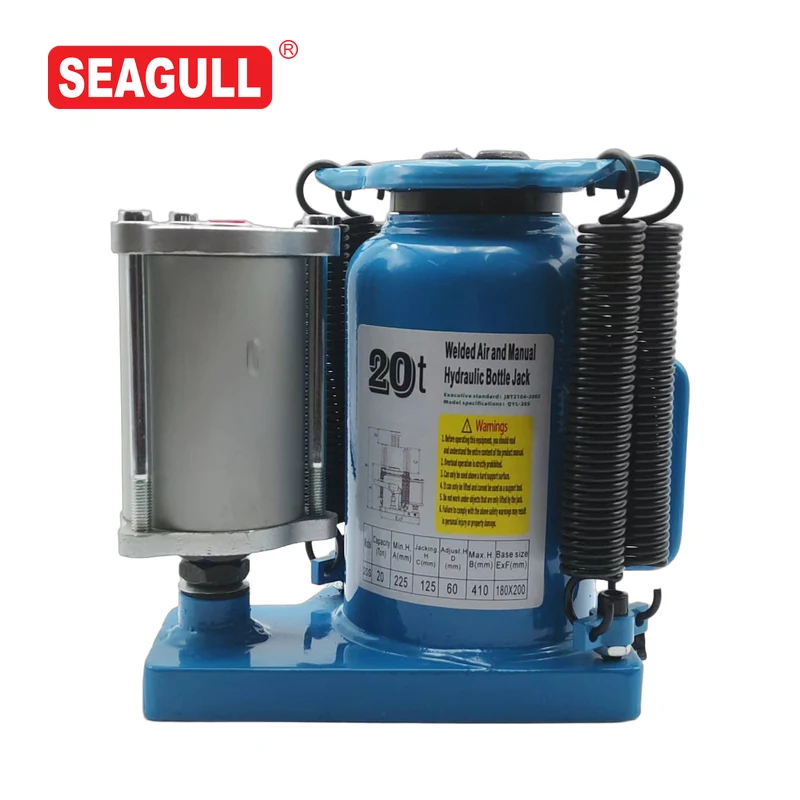
Start with the point where the jack can contact the load. SEAGULL offers mechanical JJ rack jacks, SGJY hydraulic bottle jacks, LJ hydraulic toe jacks, and T-SZ air-assisted hydraulic jacks.
Choose the Lifting Arrangement
| Type | Selection task | Range |
|---|---|---|
| Mechanical rack jack | Lever-operated mechanism with a moving lifting point on an upright rack | JJ rack jacks |
| Hydraulic bottle jack | Top contact, installed height, and hydraulic extension | SGJY bottle jacks |
| Hydraulic toe jack | Low contact clearance and separate toe/top height ranges | LJ toe jacks |
| Air hydraulic jack | Air-assisted pumping with manual operation available | T-SZ air hydraulic jacks |
Check Access Before the Load Figure
Measure the clearance at the intended contact point and the height needed after lifting. A bottle jack bears at its top; a toe jack reaches a lower contact point. The required load rating must match the contact position and operating arrangement.
Match the Power Source
JJ uses a mechanical lever. SGJY and LJ use manual hydraulic pumping. T-SZ combines pneumatic assistance with hydraulic lifting and manual operation. Specify the available air supply when considering T-SZ.
Define the Complete Lift
Provide the supported load, contact geometry, base surface, available space, and required lift. Include how the load will be supported after raising and whether more than one jack is involved. A multi-jack proposal needs a defined load distribution and lifting method.