

Truck winches
Truck Winches
Choose a Configuration
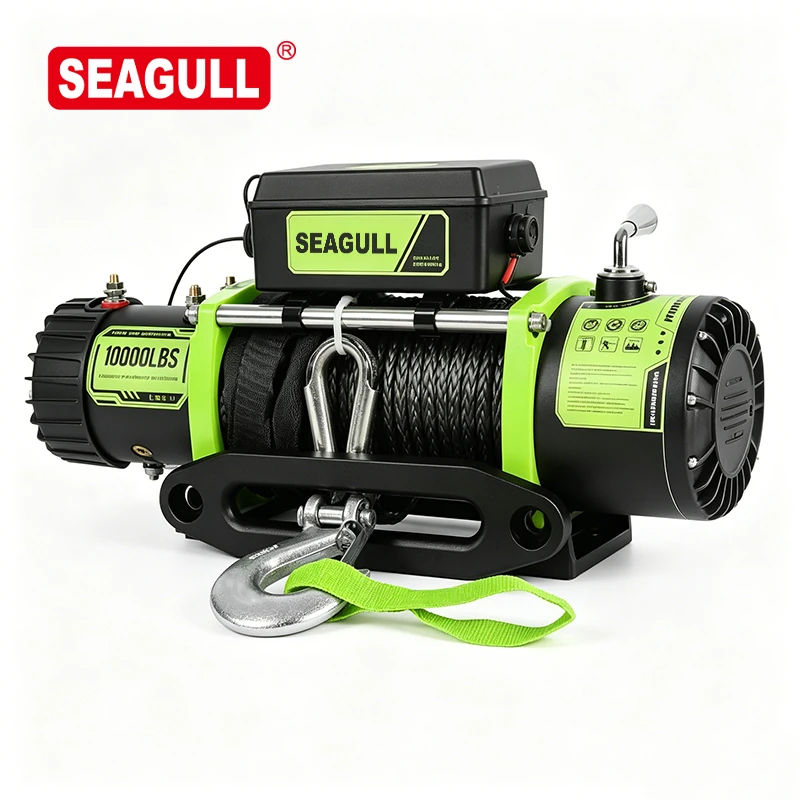
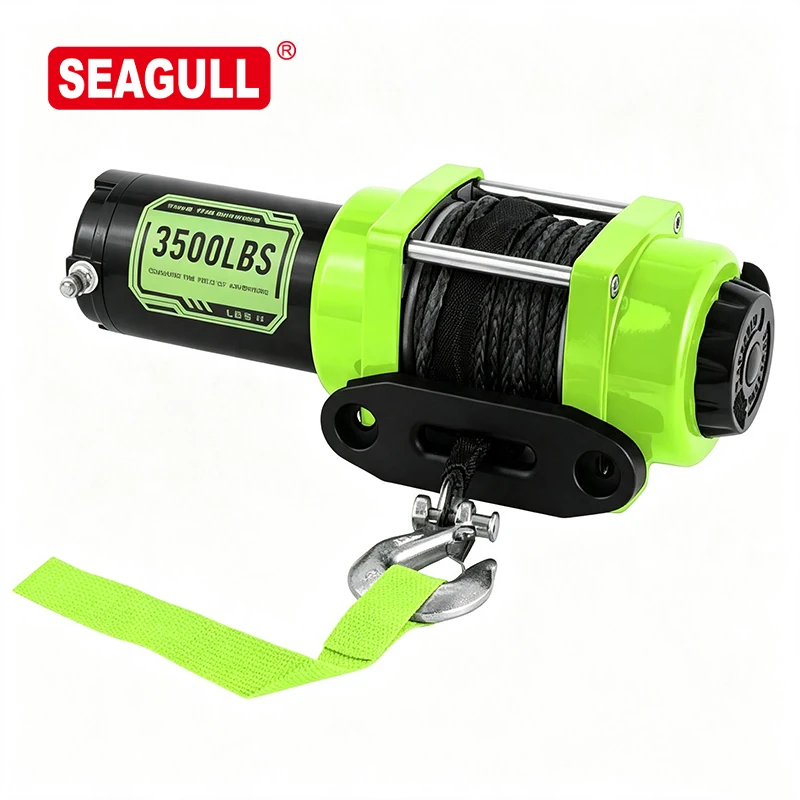
Select a truck winch by the required line pull and the installation it must fit. SEAGULL’s vehicle range includes six families with different motors, brakes, clutches, and rope arrangements.



Compare the Families
| Family | Listed first-layer line pull | Configuration distinction | Details |
|---|---|---|---|
| MD1500 / MD2000 | 1,500 / 2,000 lb | 1.0 hp permanent-magnet motor; automatic in-drum brake; sliding ring-gear clutch | MD1500–2000 |
| MD2500 / MD3000 | 2,500 / 3,000 lb | 1.2 hp permanent-magnet motor; dynamic brake; pull-and-turn clutch | MD2500–3000 |
| MDA | 9,500 / 10,000 / 12,000 / 13,000 lb | 12 V DC series-wound motors; separate performance figures for four sizes | MDA9500–13000 |
| MDB | 9,500 / 12,000 / 13,000 lb | Separate MDB performance figures; steel and synthetic rope entries | MDB9500–13000 |
| MDH3500 | 3,500 lb | Two motor, clutch, and drum configurations | MDH3500 |
| MDS5500 | 5,500 lb | Three-stage planetary drive; automatic in-drum brake | MDS5500 |
Read Line Pull With the Rope Layer
The model tables give a maximum pull for each listed rope layer. As more rope builds on the drum, the listed pull decreases. Choose against the required pull at the working layer, rather than treating the first-layer number as constant throughout the pull.
Check the Electrical Load
Performance tables list line speed and current against pulling load at 12 V. Include the available battery supply and the expected work cycle. For MDA and MDB, the catalog recommends at least 650 CCA for winching; the complete electrical installation still needs to match the selected model.
Match the Vehicle Installation
Provide the mount and fairlead layout, available space, rope preference, and control requirements. Describe the recovery or pulling task. Vehicle model compatibility needs the actual mounting details; line-pull figures do not establish a lifting rating.