
Plate lifting clamps
Plate Lifting Clamps
Choose a Configuration
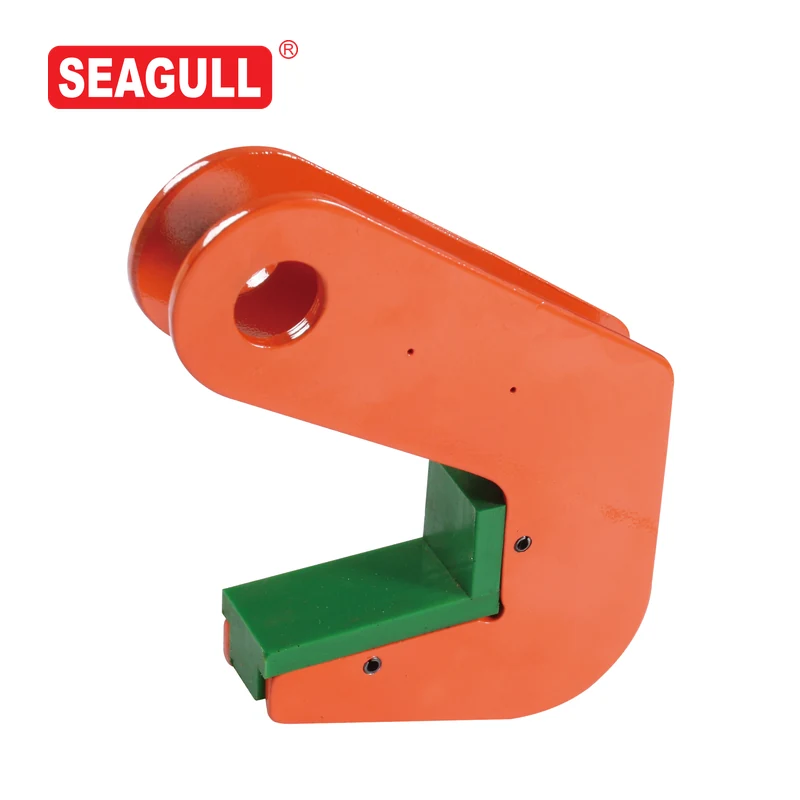
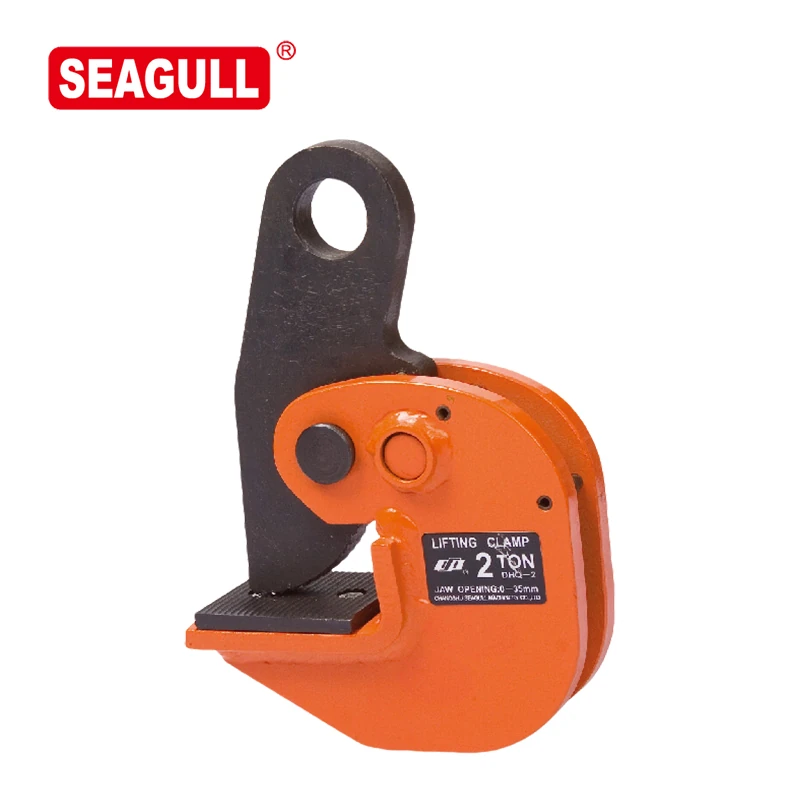
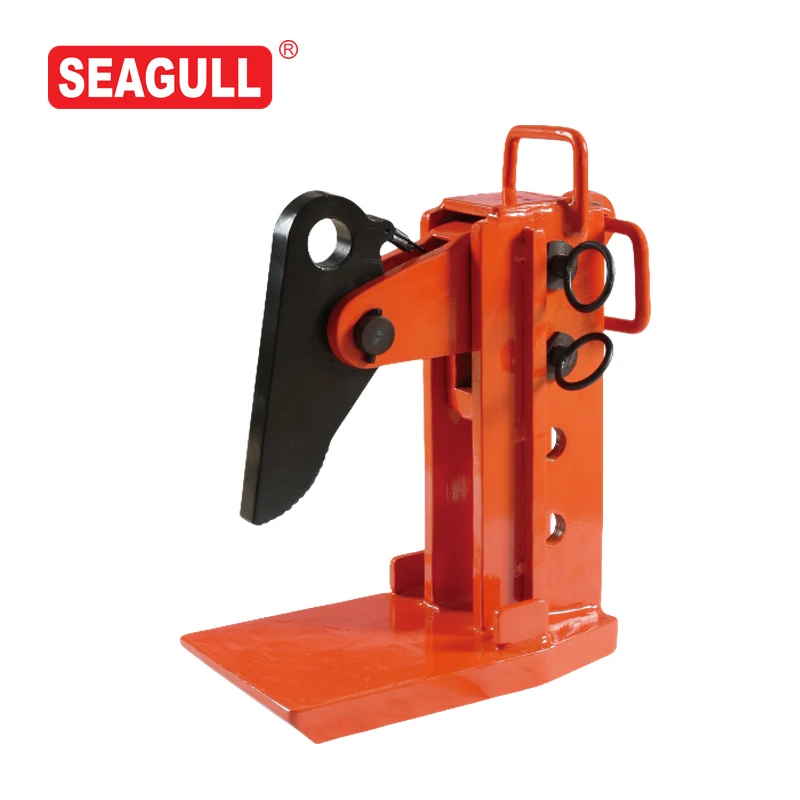
Start with the plate’s position during the lift, then compare jaw opening and the gripping surface. SEAGULL plate clamp information is grouped into horizontal series, vertical series, and the separate DHC range.
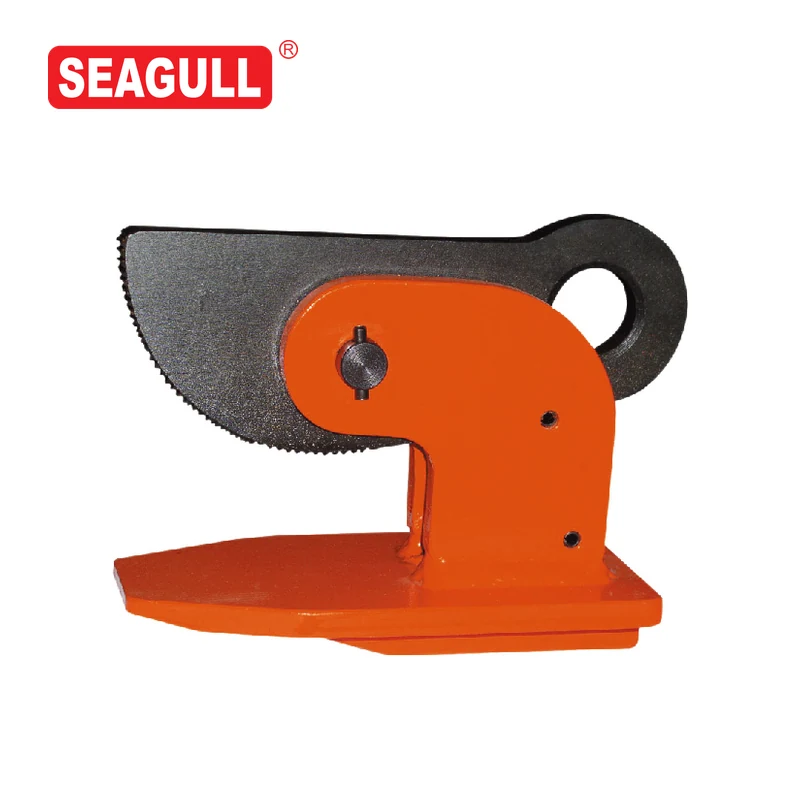
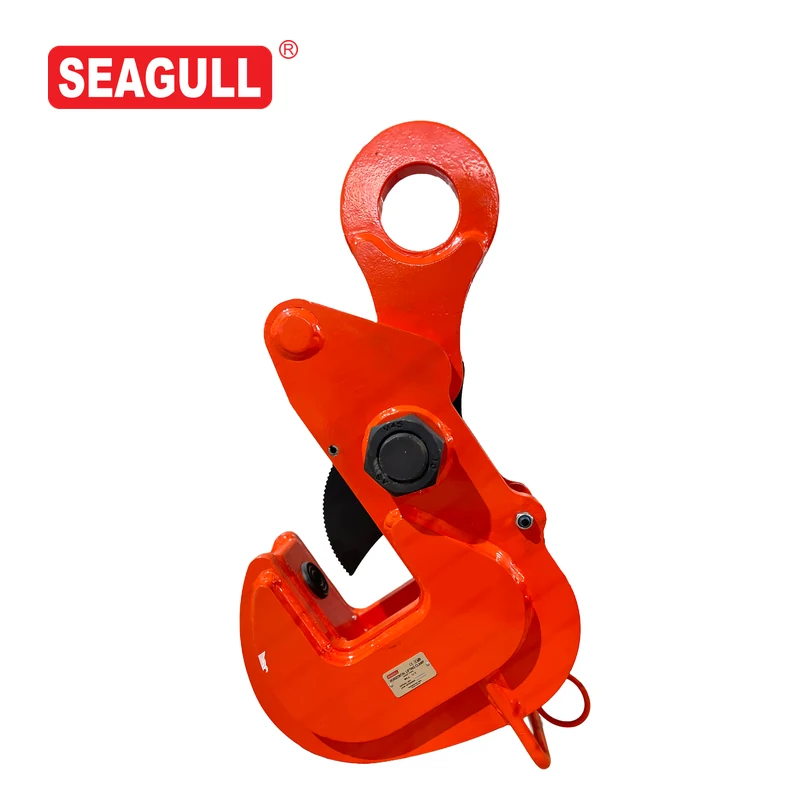
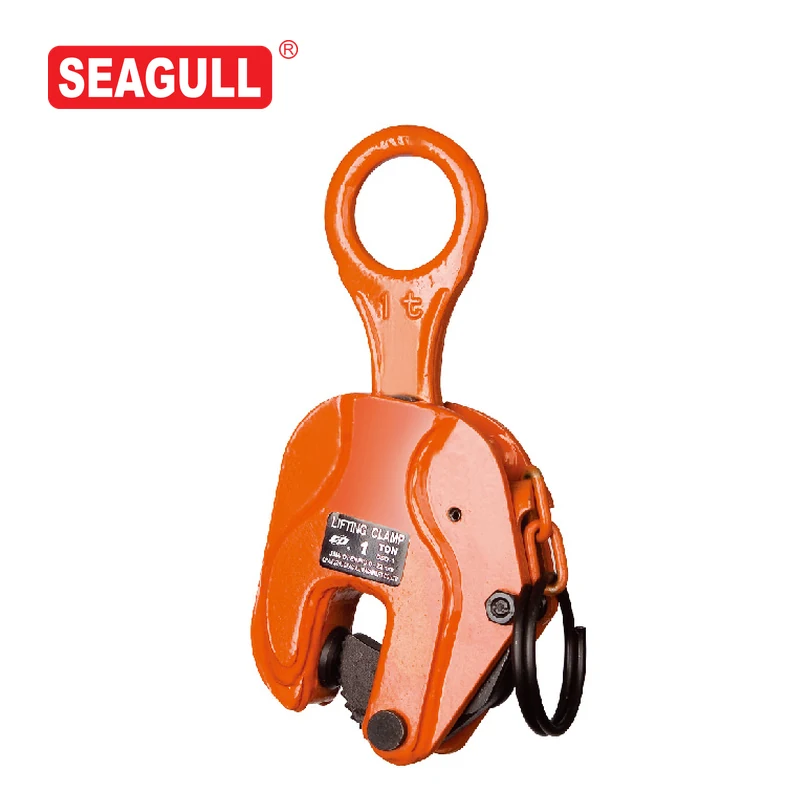
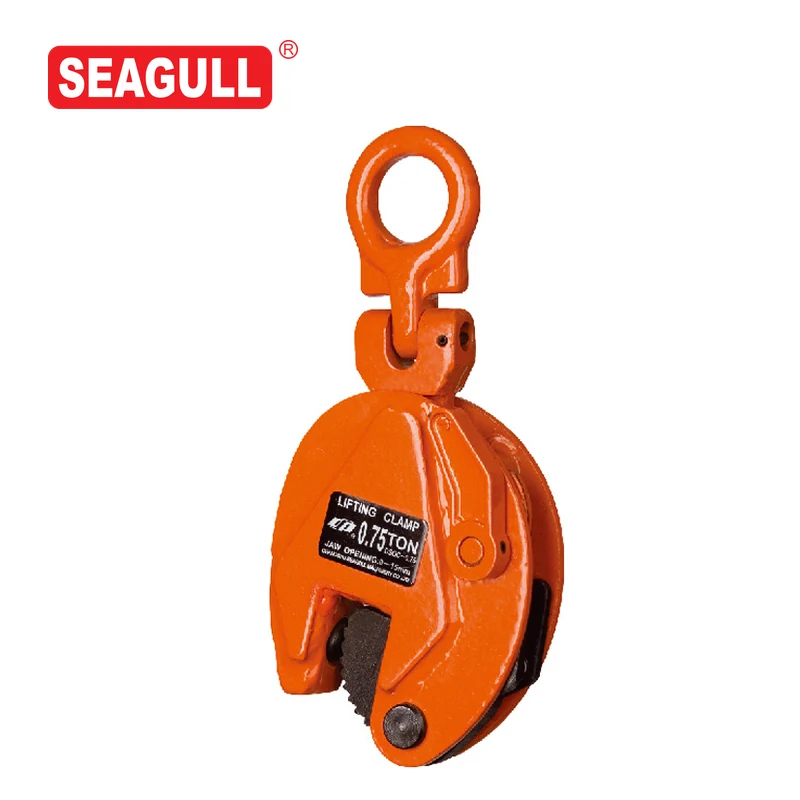
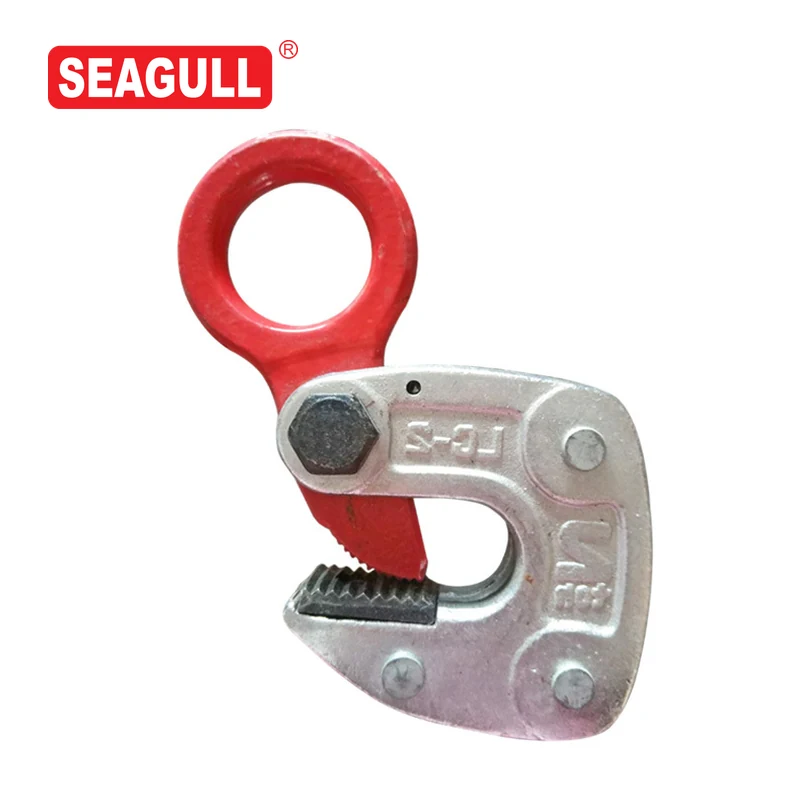
Choose the Lifting Orientation
| Selection route | Series information |
|---|---|
| Horizontal plate handling | DHP, DHQ, DHQK, DHQP, and DHQT |
| Vertical plate handling | DSQA and DSQC |
| DHC plate and profile configuration | DHC clamp model data |
Match Plate Thickness and Condition
Provide the plate thickness at the gripping point, overall dimensions, material, and surface condition. Include coatings and any limit on surface marking. Opening ranges differ by model, including among models carrying similar load designations.
Plan the Load Path
Include the intended movement and rigging drawing with the total load. The selected clamp, number of lifting points, and sling arrangement must be reviewed together. Turning or side-loading capability needs confirmation for the specific configuration.
Request the Plate Clamp Configuration
Send the plate drawing, load, thickness, lifting orientation, and proposed attachment layout. Identify the series or existing model if known.