

About SEAGULL
Established in 1986, SEAGULL is a specialized lifting equipment manufacturer with an 18,000 m² production base. We manufacture high-reliability electric hoists, manual chain blocks, lever hoists, trolleys, winches, and rigging hardware for global industrial applications.
Manufacturing
Equipped with advanced CNC lathes, laser cutting, and full testing facilities under ISO 9001. We ensure 100% inspection and strict traceability from raw materials to finished products, with TÜV CE and GS certified equipment.
OEM/ODM
From technical drawings to tooling and testing, our team delivers turnkey OEM/ODM solutions. We configure custom load, lift, and voltage parameters, complete with customized paint, metal nameplates, and private-label packaging.
The SEAGULL Product Range
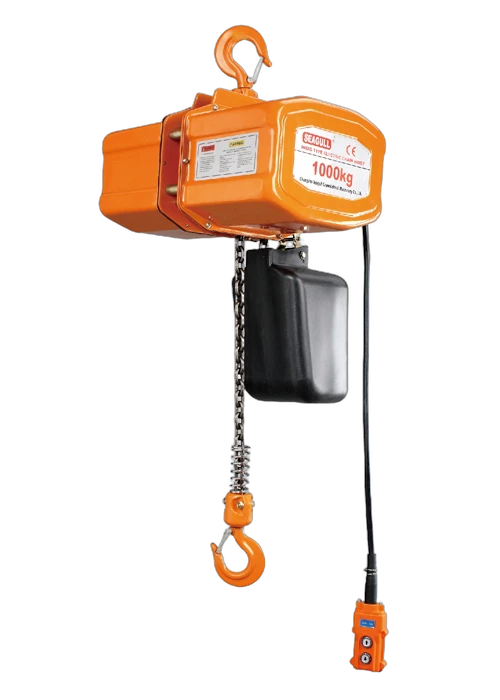
Electric Hoist Series
Electric chain hoists and CD/MD wire rope hoists provide separate routes for comparing lifting mechanisms and configurations.
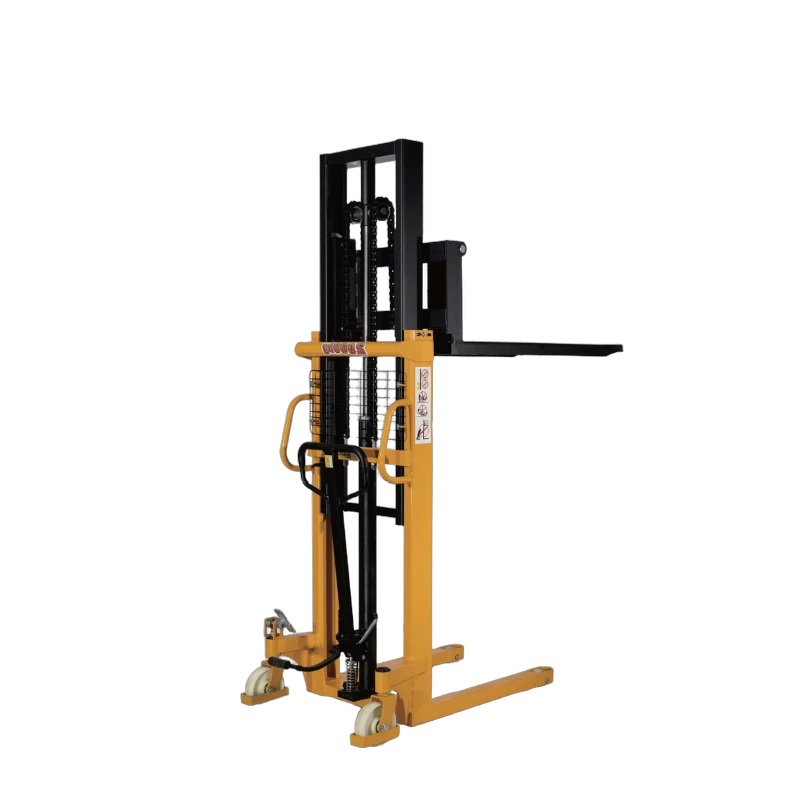
Manual Pallet Stackers
Compare HC and HT manual pallet stackers. Review the model information and application requirements before selecting a configuration.
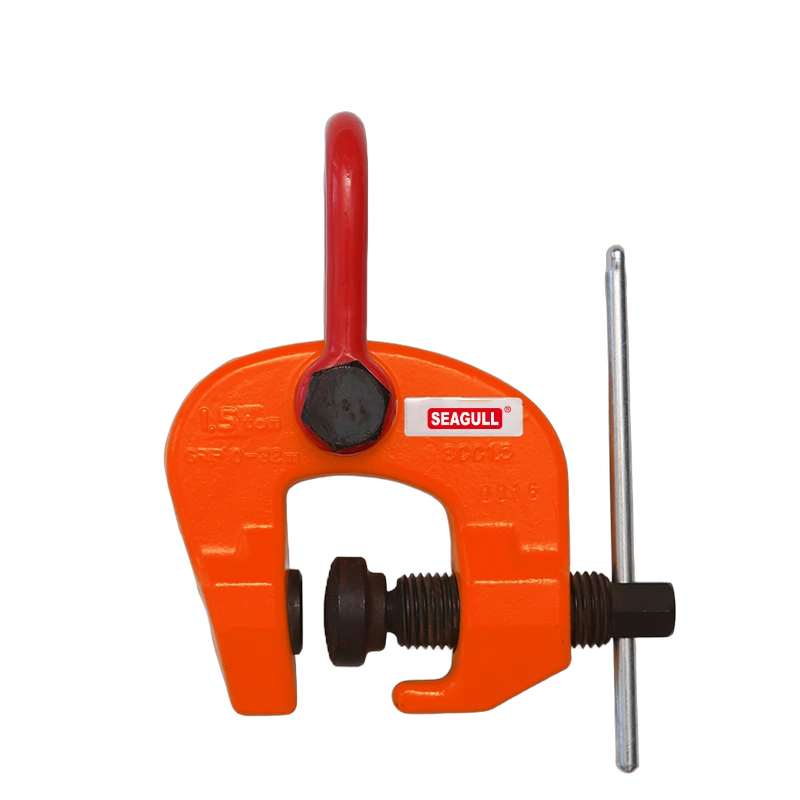
Lifting Clamps
Compare lifting clamps by clamp type and application. Review the selected model’s load and clamping requirements.
Document Gallery
Manufacturing and Product Development
SEAGULL's manufacturing facilities include production, laser cutting, assembly, inspection, packing, and warehouse areas. Product development discussions can begin with technical specifications or engineering drawings and continue through the proposed product configuration.
For a purchasing review, identify the product and the documents needed to evaluate it. Keep model requirements, installation conditions, and any required approvals clear from the start.
Product-Level OEM/ODM
SEAGULL supports OEM/ODM discussions covering product configuration, color, nameplates, and packaging. Provide the intended product, proposed changes, and supporting specifications or drawings.
For distributors, this defines the product range and branding under discussion. For integrators, it establishes the equipment interfaces and operating requirements that need to be reviewed.
Discuss Your Product Requirements
Include the equipment type or model, application, required load, and quantity. Add electrical supply and installation details where they affect the configuration.